

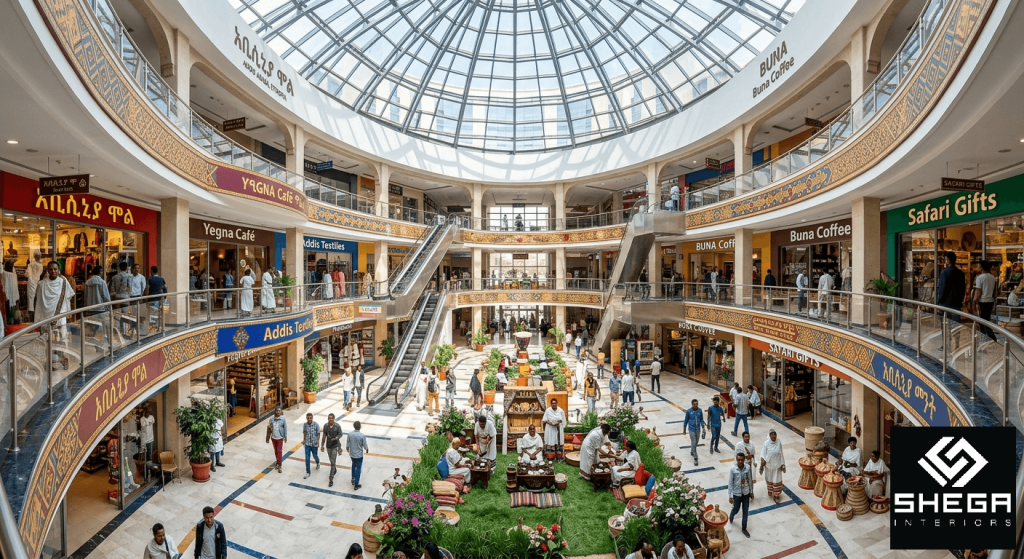
Mall interior design plays a critical role in shaping the modern retail experience. Shopping malls are no longer just places where people purchase products; they have become social, entertainment, and lifestyle destinations. A well-designed mall interior creates a welcoming atmosphere where visitors enjoy spending time exploring stores, dining areas, and entertainment facilities. In today’s competitive retail environment, mall owners invest heavily in professional interior design to attract customers and increase foot traffic. Effective design transforms shopping malls into vibrant commercial spaces that benefit retailers and visitors alike.
Modern consumers expect shopping malls to offer comfortable and visually appealing environments. People often visit malls not only to shop but also to relax, meet friends, or enjoy entertainment activities. Mall interior design must therefore balance aesthetics, functionality, and comfort. Spacious walkways, attractive lighting, and clear navigation systems help visitors move easily through the mall. These design elements enhance the overall shopping experience and encourage longer visits.
Another important purpose of mall interior design is strengthening brand identity and tenant visibility. Shopping malls host dozens or even hundreds of retail stores, restaurants, and service providers. The design of common areas must support the visibility of these businesses while maintaining a cohesive aesthetic. Strategic signage, attractive display areas, and well-planned storefront layouts help stores attract customer attention. When mall interiors are thoughtfully designed, retailers benefit from increased exposure and sales opportunities.
Mall interior design also influences visitor psychology and behavior. Studies in commercial architecture show that comfortable environments encourage customers to spend more time exploring stores. Features such as seating areas, indoor plants, and ambient lighting create relaxing atmospheres that make visitors feel welcome. When people feel comfortable, they are more likely to browse, shop, and return in the future.
This article explores the essential principles of mall interior design, including layout planning, lighting strategies, visitor flow management, and emerging commercial design trends. Understanding these elements can help developers and designers create shopping environments that attract visitors and support long-term retail success.
Table of Contents
The Importance of Mall Interior Design
Mall interior design significantly influences how visitors interact with retail environments. When customers enter a shopping mall, they immediately evaluate the atmosphere, cleanliness, and visual appeal of the space. A modern and well-maintained interior creates a positive first impression that encourages visitors to explore further. Poorly designed malls, on the other hand, may feel confusing or uncomfortable, causing visitors to leave quickly. First impressions are therefore crucial in commercial environments.
Shopping malls are large and complex structures that accommodate numerous tenants and thousands of daily visitors. Interior design helps organize these spaces in ways that improve navigation and convenience. Clear pathways, directional signage, and open corridors help visitors move smoothly between stores. When people can easily locate shops, restaurants, and restrooms, they feel more comfortable spending time in the mall.
Another major benefit of mall interior design is enhancing the customer experience. Modern malls often include seating lounges, decorative features, and entertainment zones that make the environment more enjoyable. These elements encourage visitors to relax between shopping activities. Comfortable spaces allow families and groups of friends to spend extended time inside the mall.
Mall interior design also contributes to increased sales for retailers. Strategic placement of stores, kiosks, and promotional displays can guide visitor movement through different sections of the mall. Designers often position anchor stores at opposite ends of the mall to encourage foot traffic across the entire space. When customers walk through multiple retail zones, they are more likely to make impulse purchases.
Finally, interior design plays a role in shaping the mall’s brand image. Luxury malls often use high-end materials, artistic lighting, and sophisticated architectural features. Community-focused malls may use warmer colors and family-friendly layouts. These design decisions communicate the mall’s identity and target audience, helping attract the right mix of visitors and tenants.
Key Elements of Effective Mall Interior Design
One of the most important elements of mall interior design is space planning. Shopping malls include multiple zones such as retail corridors, food courts, entertainment areas, and service facilities. Designers must carefully plan how these areas connect with each other. Wide corridors allow comfortable movement for large crowds, especially during busy shopping seasons. Proper space planning ensures that visitors can explore the mall without feeling overcrowded.
Lighting design is another crucial factor in mall interiors. Lighting influences both aesthetics and functionality in large commercial spaces. Bright ambient lighting ensures that corridors and common areas remain safe and visible. Accent lighting can highlight architectural features, promotional displays, or seasonal decorations. Modern malls often use creative lighting designs to create visually striking environments that attract visitors.
Flooring materials also play an important role in mall interior design. Because malls experience heavy foot traffic, flooring must be durable and easy to maintain. Popular materials include polished stone, ceramic tiles, and high-quality vinyl surfaces. Designers often use different flooring patterns to visually separate various zones within the mall. These patterns also help guide visitor movement.
Seating areas and rest zones are essential components of modern mall design. Visitors often need comfortable places to sit, relax, or wait for friends. Well-designed seating spaces improve the overall shopping experience and encourage longer visits. Designers may incorporate decorative benches, lounge chairs, or café-style seating arrangements. These areas also provide opportunities for social interaction.
Decorative elements such as sculptures, indoor plants, and water features enhance the visual appeal of mall interiors. Artistic installations create unique identities for shopping centers and make them more memorable. Many modern malls incorporate natural elements to create relaxing environments. These decorative features contribute to the mall’s atmosphere and help differentiate it from competitors.
Popular Mall Interior Design Styles
Modern mall interior design often emphasizes clean and minimalist aesthetics. Large open spaces, glass railings, and neutral color palettes create bright and spacious environments. Minimalist designs allow retailers’ storefronts and displays to stand out clearly. This style also improves visibility across the mall’s corridors and levels.
Luxury mall design focuses on premium materials and elegant architectural details. Marble floors, grand staircases, and designer lighting fixtures create sophisticated environments. Luxury malls aim to attract high-end retailers and affluent customers. Every design element is carefully selected to communicate exclusivity and prestige.
Eco-friendly mall interior design is becoming increasingly popular as sustainability gains importance worldwide. Designers incorporate energy-efficient lighting systems, recycled materials, and natural ventilation strategies. Indoor gardens and green walls add beauty while improving air quality. Sustainable design helps malls reduce environmental impact while appealing to environmentally conscious visitors.
Experiential mall design focuses on creating engaging environments that go beyond traditional shopping. Interactive art displays, entertainment zones, and themed installations encourage visitors to explore the mall in new ways. These experiences transform malls into lifestyle destinations rather than simple retail centers. Visitors are more likely to share these experiences on social media, which helps promote the mall.
Cultural-themed mall interiors incorporate local architectural elements and artistic traditions. Designers may include regional patterns, sculptures, or historical references in the décor. These cultural elements create unique identities that reflect the local community. Visitors often appreciate malls that celebrate regional heritage and creativity.
Mall Interior Design Trends in 2026
Technology integration is transforming the future of mall interiors. Digital directories, interactive screens, and smart navigation systems help visitors locate stores easily. These technologies improve convenience and enhance the overall shopping experience. Some malls also use mobile apps that guide visitors through different sections of the building.
Another major trend is the creation of social media-friendly spaces. Designers are incorporating artistic installations, colorful walls, and creative lighting displays that encourage visitors to take photos. These spaces become popular gathering spots where visitors share their experiences online. Social media exposure helps increase the mall’s visibility and attract new visitors.
Flexible space design is also becoming increasingly important. Modern malls host events, exhibitions, and seasonal promotions throughout the year. Designers create adaptable spaces that can accommodate different activities. Movable furniture and modular display areas allow mall managers to transform spaces quickly for special events.
Biophilic design is another growing trend in commercial architecture. This design approach integrates natural elements such as plants, wood textures, and natural lighting. Indoor gardens, skylights, and water features create relaxing environments that improve visitor well-being. Biophilic design also supports sustainability initiatives within shopping centers.
Entertainment-focused design is also shaping modern malls. Cinemas, gaming zones, fitness centers, and interactive attractions are becoming common features. Designers create vibrant environments that combine shopping with leisure activities. This approach encourages families and groups of friends to spend entire days at the mall.
Conclusion
Mall interior design is an essential factor in creating successful retail environments. A thoughtfully designed shopping mall attracts visitors, enhances the shopping experience, and supports the success of retailers. Strategic layout planning, effective lighting, and comfortable seating areas all contribute to positive visitor experiences.
As consumer expectations evolve, mall interiors must continue adapting to new trends and technologies. Innovations such as smart navigation systems, sustainable design, and experiential environments are shaping the future of commercial architecture. Shopping malls that embrace these trends can remain competitive in the rapidly changing retail industry.
Ultimately, successful mall interior design combines functionality, aesthetics, and visitor comfort. When malls provide welcoming and engaging environments, visitors are more likely to explore stores, enjoy amenities, and return regularly. By investing in modern interior design strategies, mall developers can transform their properties into vibrant destinations that serve communities and drive long-term economic growth.