

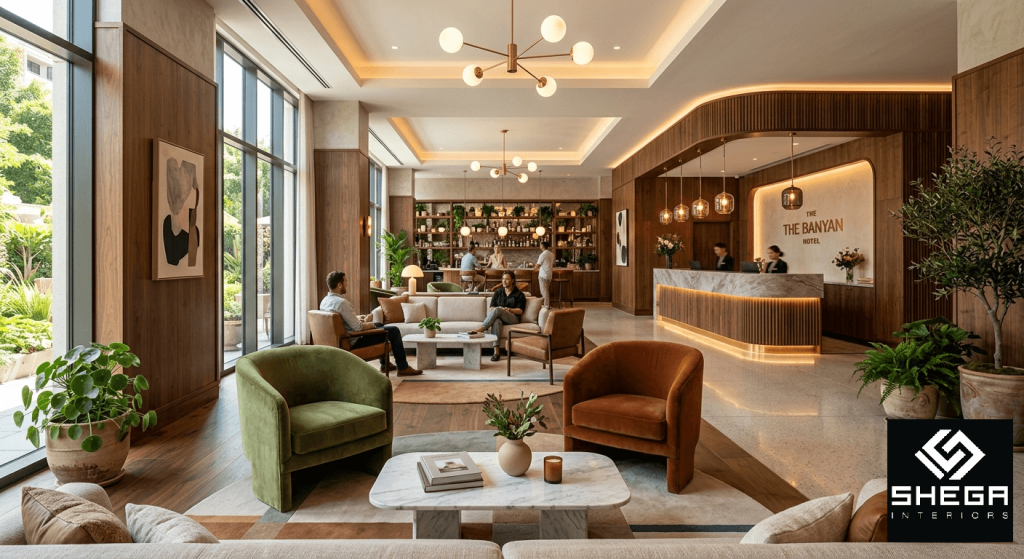
Hotel interior design plays a crucial role in shaping guest experiences and defining the identity of hospitality brands. In today’s highly competitive travel and tourism industry, hotels must go beyond offering comfortable rooms and good service. Guests expect visually appealing environments, relaxing atmospheres, and memorable experiences throughout their stay. From the lobby to the guest rooms, every design detail contributes to the overall perception of the hotel. A well-designed hotel interior not only attracts guests but also encourages repeat visits and positive reviews.
Modern travelers often choose hotels based on visual appeal and ambiance even before checking prices or amenities. Online booking platforms and social media have made hotel aesthetics more important than ever. Beautiful interiors often appear in travel blogs, Instagram posts, and review websites, influencing potential guests. As a result, many hotel owners invest heavily in professional hotel interior design services to create stunning environments. Strategic design can turn a hotel into a destination itself rather than just a place to sleep.
Hotel interior design must also balance aesthetics with functionality. Hotels accommodate hundreds of guests daily, which means spaces must be both durable and easy to maintain. Designers carefully select materials, furniture, and lighting that can withstand heavy usage while maintaining elegance. Efficient layout planning ensures that guests and staff can move comfortably throughout the property. When design combines beauty and practicality, hotels operate more smoothly while maintaining luxurious appeal.
Another essential goal of hotel interior design is creating emotional connections with guests. When travelers enter a beautifully designed lobby or a cozy guest room, they immediately feel welcomed and relaxed. Design elements such as lighting, color schemes, textures, and artwork influence the mood of the environment. Hotels often use interior design to tell a story about their brand, culture, or location. These immersive experiences leave lasting impressions on guests.
This comprehensive guide explores the most important aspects of hotel interior design, including layout planning, furniture selection, lighting strategies, and current hospitality design trends. Whether designing a boutique hotel or a luxury resort, understanding these principles can help create environments that delight guests and strengthen brand identity.
Table of Contents
The Importance of Hotel Interior Design
Hotel interior design plays a significant role in shaping guest satisfaction and overall hospitality experiences. When guests arrive at a hotel, the design of the lobby, reception area, and common spaces immediately influences their impression of the property. A stylish and welcoming environment creates a positive first impression that sets the tone for the entire stay. Guests often associate well-designed interiors with higher quality service and professionalism. This perception can strongly influence guest loyalty and reviews.
A well-designed hotel interior also helps establish a unique brand identity. Many hotels compete in crowded markets where differentiation is essential. Through design elements such as color schemes, furniture styles, and decorative features, hotels can express their personality and brand values. Boutique hotels often use distinctive interior themes to create memorable experiences. This unique identity helps hotels stand out among competitors and attract specific types of travelers.
Hotel interior design also contributes to operational efficiency. Hotels are complex environments that require seamless coordination between guests and staff. Designers must carefully plan circulation paths, service areas, and room layouts. Efficient design ensures that housekeeping, room service, and maintenance staff can perform their tasks smoothly. Well-organized spaces improve productivity and reduce operational challenges.
Guest comfort is another critical factor in hotel design. Travelers often spend long hours resting in their rooms or relaxing in hotel lounges. Comfortable furniture, soothing lighting, and pleasant color schemes help guests feel relaxed after long journeys. Hotels that prioritize comfort create environments where guests feel at home. Comfortable spaces encourage guests to extend their stay or return in the future.
Finally, hotel interior design can significantly impact revenue generation. Attractive interiors encourage guests to spend more time in hotel restaurants, bars, and recreational areas. Luxurious environments can justify premium pricing and enhance perceived value. By investing in high-quality design, hotels can improve both guest satisfaction and financial performance.
Key Elements of Successful Hotel Interior Design
One of the most important elements of hotel interior design is space planning. Hotels include a variety of areas such as lobbies, guest rooms, restaurants, conference halls, and recreational facilities. Designers must carefully organize these spaces to ensure comfort and convenience for guests. Clear pathways and logical layouts help guests navigate the property easily. Proper space planning also improves staff efficiency.
Lighting design is another essential component of hotel interiors. Lighting affects both functionality and atmosphere. In lobbies and public areas, designers often use dramatic lighting fixtures to create impressive visual effects. Guest rooms typically feature softer lighting to promote relaxation. Layered lighting systems combine ambient, task, and accent lighting to achieve balanced illumination. Effective lighting enhances both aesthetics and usability.
Furniture selection is equally important in hotel interior design. Hotel furniture must combine style, comfort, and durability. Guests expect comfortable beds, supportive chairs, and spacious desks in their rooms. In public areas such as lounges and lobbies, furniture should encourage relaxation and social interaction. High-quality materials ensure that furniture remains attractive despite frequent use.
Color schemes strongly influence the mood of hotel interiors. Soft neutral colors often create calming environments in guest rooms. In contrast, vibrant colors may be used in social areas to create energetic atmospheres. Designers carefully choose color palettes that align with the hotel’s brand identity. Consistent color themes help create cohesive design experiences throughout the property.
Decorative elements such as artwork, textiles, and architectural features also play an important role in hotel interiors. These elements add personality and uniqueness to the space. Many hotels incorporate local cultural elements into their decor. This approach creates authentic experiences that reflect the surrounding region and attract travelers seeking cultural immersion.
Popular Hotel Interior Design Styles
Luxury hotel interior design focuses on elegance, sophistication, and premium materials. Marble floors, crystal chandeliers, and custom furniture create luxurious environments that appeal to high-end travelers. Luxury hotels often emphasize spacious layouts and refined details. These interiors aim to deliver exclusive experiences that justify premium room rates.
Boutique hotel design emphasizes individuality and creativity. Unlike large chain hotels, boutique properties often adopt unique themes and personalized decor. Designers may draw inspiration from art, history, or local culture. Each room may feature different decorative elements to create distinctive experiences. Boutique hotels attract travelers who value originality and character.
Modern hotel design focuses on simplicity and functionality. Clean lines, minimalist furniture, and neutral colors define this style. Modern hotels often incorporate advanced technology and sleek materials. This design approach appeals to business travelers and younger guests who appreciate contemporary aesthetics.
Resort-style hotel design emphasizes relaxation and leisure. Natural materials, open layouts, and tropical elements create vacation-inspired environments. Resort interiors often include large windows, outdoor lounges, and water features. These design elements help guests feel connected to nature while enjoying luxury amenities.
Classic hotel design draws inspiration from traditional architecture and historical elegance. Rich wood tones, decorative moldings, and vintage furniture create timeless environments. Classic interiors often evoke nostalgia and sophistication. Many heritage hotels preserve historical design features while incorporating modern comforts.
Hotel Interior Design Trends in 2026
Biophilic design is becoming increasingly popular in hotel interiors. This trend focuses on integrating natural elements such as plants, wood, and stone into the design. Green walls, indoor gardens, and natural lighting create refreshing environments. Guests often feel more relaxed and rejuvenated in nature-inspired spaces. Biophilic design also improves indoor air quality.
Sustainable design is another major trend shaping the hospitality industry. Hotels are adopting eco-friendly materials and energy-efficient systems. LED lighting, recycled materials, and water-saving fixtures reduce environmental impact. Sustainable design appeals to environmentally conscious travelers. Many hotels highlight their green initiatives as part of their branding.
Smart technology integration is transforming hotel interiors. Guests now expect advanced features such as smart lighting, automated climate control, and digital room service systems. Voice-controlled devices and mobile app connectivity enhance convenience. Technology-driven design improves guest comfort and operational efficiency.
Experiential design is also gaining popularity in the hotel industry. Hotels aim to create immersive environments that provide memorable experiences. Unique art installations, themed rooms, and interactive design elements attract modern travelers. These distinctive features encourage guests to share their experiences on social media.
Flexible space design is becoming increasingly important. Hotels are creating multi-functional areas that can adapt to different events and activities. Conference rooms may transform into social spaces or entertainment venues. Flexible design allows hotels to maximize the use of their facilities and cater to diverse guest needs.
Conclusion
Hotel interior design is a powerful tool that shapes guest experiences and influences the success of hospitality businesses. A thoughtfully designed hotel creates welcoming environments where guests feel comfortable and inspired. From space planning and furniture selection to lighting and decorative elements, every design decision contributes to the overall atmosphere.
As the hospitality industry continues to evolve, hotels must adopt innovative design strategies to remain competitive. Trends such as sustainable materials, smart technology, and biophilic design are redefining modern hotel interiors. Hotels that embrace these trends can attract new guests while enhancing customer satisfaction.
Ultimately, successful hotel interior design combines aesthetics, comfort, and functionality. When design aligns with the hotel’s brand identity and guest expectations, it creates memorable experiences that encourage repeat visits. By investing in high-quality interior design, hotels can transform their spaces into luxurious destinations that delight travelers from around the world.