

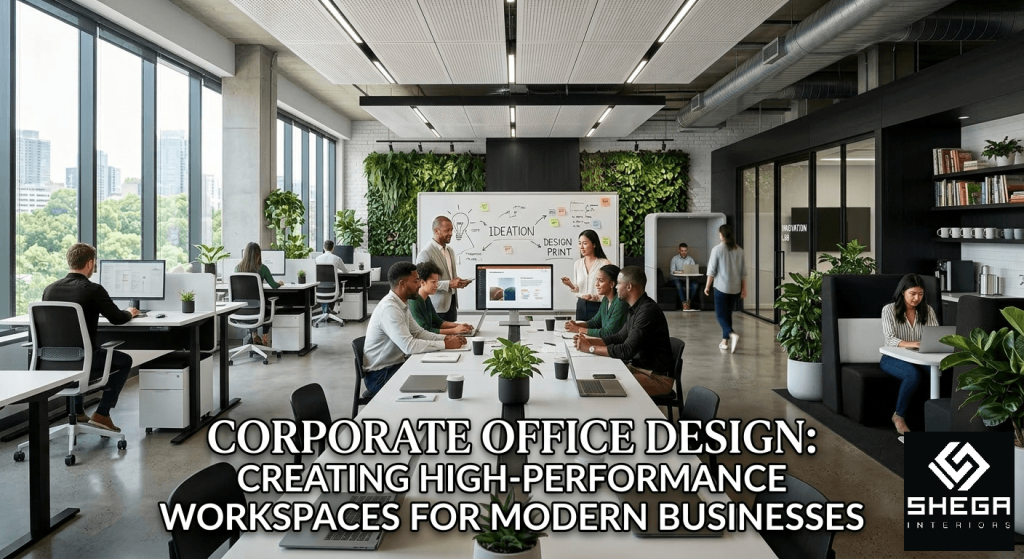
Corporate office design has evolved significantly as businesses recognize the impact of workplace environments on productivity, employee satisfaction, and brand perception. A well-planned corporate office is not just a place where employees work; it is a strategic asset that supports collaboration, innovation, and operational efficiency. Companies today invest heavily in professional corporate office design services to create environments that inspire creativity while maintaining functionality. From technology companies to financial institutions, every organization benefits from a thoughtfully designed workspace. The modern corporate office blends aesthetics, ergonomics, and technology to support the dynamic needs of today’s workforce.
In the past, corporate offices were designed primarily with efficiency in mind, often resulting in dull cubicles and rigid layouts. Today, businesses understand that workplace design directly affects employee engagement and productivity. Modern corporate offices now emphasize open spaces, natural lighting, ergonomic furniture, and visually appealing interiors. These elements help employees feel comfortable and motivated throughout the workday. As companies compete for top talent, the quality of their office environment has become a major factor in attracting skilled professionals. Corporate office design is now a key component of business strategy.
Another reason corporate office design is gaining attention is the changing nature of work itself. With hybrid work models, digital collaboration tools, and flexible schedules becoming more common, office spaces must adapt accordingly. Companies need environments that support both individual concentration and team collaboration. Designers now focus on creating versatile spaces that accommodate meetings, brainstorming sessions, and quiet work. The modern corporate office must be flexible enough to evolve with the company’s growth and technological advancements.
Corporate office design also plays a crucial role in shaping brand identity. When clients, partners, or potential employees visit a corporate headquarters, the design of the workspace communicates the company’s values and professionalism. Stylish reception areas, branded meeting rooms, and cohesive interior aesthetics create a powerful first impression. Businesses that invest in high-quality design often build stronger trust and credibility with visitors. The office environment becomes an extension of the company’s reputation.
In this comprehensive guide, we will explore the essential elements of corporate office design, current industry trends, and practical strategies for creating high-performance workplaces. Whether you are planning a new office or renovating an existing space, understanding these design principles will help you create an environment that supports productivity and long-term business success.
Table of Contents
The Importance of Corporate Office Design
Corporate office design plays a critical role in improving employee productivity and workplace efficiency. When employees work in comfortable and visually appealing environments, they are more likely to stay focused and motivated. A well-designed office reduces distractions, improves workflow, and encourages collaboration among team members. Companies that prioritize workplace design often report higher employee satisfaction and better overall performance. Investing in professional corporate office design is therefore a strategic decision that benefits both employees and management.
Another important aspect of corporate office design is employee well-being. Modern workplaces focus on creating environments that support physical and mental health. Ergonomic chairs, adjustable desks, and proper lighting help prevent workplace fatigue and injuries. Many companies also include relaxation zones, wellness rooms, and quiet areas where employees can recharge during the day. These features contribute to a healthier and more balanced work environment. When employees feel comfortable and valued, they tend to be more productive and loyal to the organization.
Corporate office design also enhances company culture and collaboration. Open workspaces, meeting pods, and brainstorming areas encourage team interaction and creativity. Designers often create collaborative spaces where employees can share ideas freely and work together on projects. These environments help build stronger relationships among team members and improve communication across departments. A collaborative office layout supports innovation and problem-solving, which are essential for business growth.
Client perception is another reason why corporate office design matters. When visitors walk into a professional and beautifully designed office, they immediately form an impression about the company. A modern and organized workspace communicates professionalism, reliability, and success. Businesses in industries such as finance, consulting, and technology often use office design to reinforce their brand identity. A well-designed office can help companies win new clients and strengthen existing partnerships.
Efficient space utilization is also a major advantage of corporate office design. Professional designers analyze workflow patterns and employee needs to create layouts that maximize productivity. Proper space planning ensures that departments are positioned logically and that employees have enough room to perform their tasks comfortably. This approach reduces clutter and improves organization throughout the office. As a result, businesses can make better use of their available space while maintaining a pleasant work environment.
Key Elements of Effective Corporate Office Design
Successful corporate office design begins with strategic space planning. Designers carefully evaluate how employees interact with each other and move throughout the office. This information helps them create layouts that promote efficiency and collaboration. For example, departments that frequently communicate with each other may be placed close together to improve workflow. Strategic planning also helps minimize noise and distractions in high-concentration areas. A well-organized layout forms the foundation of an effective office environment.
Furniture selection is another essential component of corporate office design. High-quality ergonomic furniture ensures comfort and reduces the risk of long-term health problems. Adjustable chairs, standing desks, and modular workstations are popular choices in modern offices. These furniture solutions allow employees to customize their workspaces according to their preferences. Comfortable furniture also contributes to a professional and visually appealing office interior.
Lighting design plays a major role in creating a productive workplace atmosphere. Natural light is highly desirable because it improves mood, focus, and overall well-being. Many modern offices use large windows and glass partitions to maximize sunlight. In areas where natural light is limited, designers incorporate layered lighting solutions that combine ambient, task, and accent lighting. Proper lighting reduces eye strain and creates a comfortable environment for employees. A well-lit workspace significantly enhances productivity.
Color selection is another important element in corporate office design. Different colors influence emotions and behavior in subtle ways. Blue tones often promote concentration and calmness, while green colors can inspire creativity and balance. Neutral palettes combined with strategic accent colors create a professional yet vibrant atmosphere. Designers carefully choose colors that align with the company’s brand identity. The right color scheme can transform an ordinary office into an inspiring workspace.
Acoustic design is essential for maintaining focus and reducing distractions in busy offices. Open-plan layouts can sometimes lead to excessive noise, which disrupts productivity. Designers use sound-absorbing materials such as carpets, acoustic panels, and ceiling treatments to control noise levels. Private meeting rooms and quiet zones also help employees perform tasks that require deep concentration. Effective acoustic solutions contribute to a more comfortable and productive workplace.
Popular Corporate Office Design Styles
Modern corporate office design often embraces contemporary aesthetics. This style focuses on simplicity, clean lines, and functional layouts. Contemporary offices typically feature neutral color palettes, sleek furniture, and minimal decorative elements. The goal is to create a workspace that feels organized and efficient without unnecessary clutter. Many technology companies prefer contemporary design because it reflects innovation and professionalism.
Industrial office design has become increasingly popular among startups and creative agencies. This style is inspired by old factories and warehouses, featuring exposed brick walls, metal structures, and open ceilings. Industrial offices create a bold and authentic atmosphere that encourages creativity. The raw textures and unfinished materials give the workspace a unique character. Combined with modern furniture, industrial design offers a striking visual contrast.
Minimalist office design focuses on eliminating unnecessary elements to create a clean and distraction-free environment. In minimalist offices, every piece of furniture and decor serves a clear purpose. Neutral colors, simple furniture, and open spaces are key characteristics of this style. Minimalism helps employees maintain focus and reduces visual clutter in the workplace. Many companies adopt minimalist design to promote efficiency and mental clarity.
Biophilic office design integrates natural elements into the workplace environment. Indoor plants, natural wood materials, and green walls are commonly used in this style. Research shows that exposure to nature improves mood and reduces stress levels. Biophilic design also enhances air quality and creates a refreshing atmosphere inside the office. Companies that prioritize employee well-being often incorporate biophilic elements into their workspaces.
Luxury corporate office design is often used by high-end companies that want to create a strong impression on clients. This style features premium materials such as marble, glass, and custom woodwork. Elegant lighting fixtures and sophisticated furniture add to the luxurious atmosphere. Luxury offices reflect success, prestige, and professionalism. They are commonly found in industries such as finance, law, and corporate consulting.
Corporate Office Design Trends in 2026
Flexible workspace design is one of the most significant trends in modern corporate offices. Companies are moving away from rigid layouts and adopting adaptable spaces that support various activities. Modular furniture, movable partitions, and multi-purpose meeting areas allow offices to evolve with changing business needs. Flexible designs are especially useful for hybrid work models where employees alternate between remote and in-office work.
Sustainability is another major trend shaping corporate office design. Businesses are increasingly using eco-friendly materials and energy-efficient systems in their offices. Sustainable furniture, recycled materials, and LED lighting help reduce environmental impact. Green office design also improves indoor air quality and employee health. Companies that adopt sustainable practices often strengthen their brand reputation and corporate responsibility.
Technology integration has become essential in modern corporate office design. Smart meeting rooms, wireless charging stations, and automated lighting systems improve workplace efficiency. Offices are now designed to support digital collaboration and advanced communication tools. Designers must consider how technology fits seamlessly into the workspace. This integration ensures that employees can work efficiently using modern digital platforms.
Employee wellness is another major focus in corporate office design trends. Many companies are incorporating wellness features such as relaxation lounges, meditation rooms, and quiet zones. These spaces allow employees to take short breaks and reduce stress during the workday. Some offices even include fitness rooms or outdoor terraces. Wellness-oriented design contributes to better work-life balance and improved employee satisfaction.
Another emerging trend is the use of branded design elements throughout the office. Companies integrate their logos, brand colors, and visual identity into interior design features. Custom wall graphics, branded meeting rooms, and themed workspaces help reinforce company culture. Employees feel a stronger sense of belonging when their workplace reflects the organization’s mission. Branded office design also leaves a memorable impression on visitors.
Conclusion
Corporate office design has become a crucial factor in shaping successful businesses. A thoughtfully designed workspace improves productivity, strengthens brand identity, and enhances employee satisfaction. Modern offices combine functionality, aesthetics, and technology to create environments that support innovation and collaboration. Businesses that invest in professional office design gain a competitive advantage in attracting talent and impressing clients.
As workplace trends continue to evolve, companies must adapt their office environments to meet new expectations. Flexible layouts, sustainable materials, and wellness-focused spaces are shaping the future of corporate workplaces. Organizations that embrace these trends will create offices that support both employee well-being and long-term business growth. A well-designed office is more than just a workplace—it is a powerful tool for success.
Ultimately, corporate office design is about creating environments where people can thrive. When employees feel comfortable, inspired, and supported, they perform at their best. By combining strategic planning, ergonomic furniture, modern technology, and thoughtful aesthetics, businesses can build workspaces that foster creativity and productivity. Investing in high-quality corporate office design is one of the smartest decisions any organization can make.