

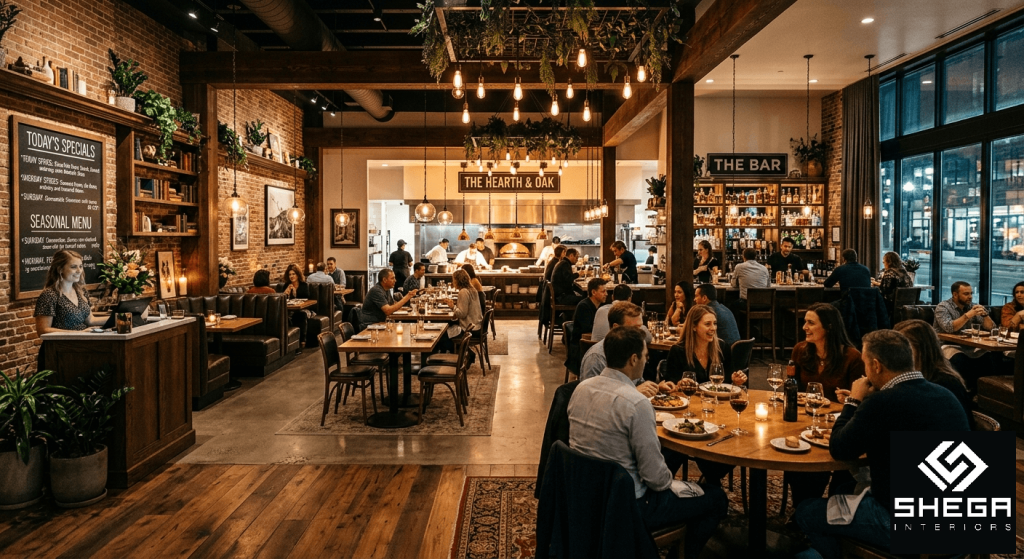
Restaurant interior design plays a crucial role in shaping the overall dining experience for customers. While delicious food and excellent service are essential, the atmosphere of a restaurant significantly influences how guests feel and how long they stay. Modern restaurant owners understand that interior design is a powerful marketing tool that can attract customers, strengthen brand identity, and encourage repeat visits. From lighting and furniture to layout and color schemes, every design element contributes to the overall ambiance of the dining space. A well-designed restaurant interior can transform an ordinary meal into a memorable experience.
In today’s competitive hospitality industry, restaurants must differentiate themselves not only through their menus but also through their environment. Customers often choose dining locations based on the atmosphere they see online or on social media. Stylish and unique restaurant interiors can generate organic marketing through customer photos and reviews. As a result, investing in professional restaurant interior design services has become increasingly important. A visually appealing restaurant environment encourages guests to share their experiences online, boosting visibility and customer engagement.
Restaurant interior design also affects operational efficiency. The layout of the kitchen, dining areas, and service stations must support smooth workflow for staff members. A poorly designed restaurant can create congestion and slow service, negatively impacting customer satisfaction. Professional designers carefully plan seating arrangements, walkways, and staff access points to ensure efficient operations. When design and functionality work together, restaurants can deliver better service while maximizing seating capacity.
Another important factor in restaurant interior design is the emotional connection it creates with customers. Different design styles can evoke different moods and expectations. A cozy café may focus on warm lighting and comfortable seating, while a luxury restaurant might emphasize elegant materials and sophisticated decor. By aligning design elements with the restaurant’s brand and cuisine, owners can create immersive dining environments. This emotional connection encourages customers to return and recommend the restaurant to others.
This article explores the essential principles of restaurant interior design, including layout planning, lighting, furniture selection, and current design trends. Whether you are opening a new restaurant or renovating an existing one, understanding these design strategies can help you create a space that attracts customers and enhances their dining experience.
Table of Contents
The Importance of Restaurant Interior Design
Restaurant interior design directly influences customer perception and satisfaction. When guests enter a restaurant, the design immediately communicates the restaurant’s quality and style. A clean, stylish, and well-organized space makes customers feel comfortable and confident about their dining choice. On the other hand, a poorly designed environment can make guests feel uneasy or unimpressed. First impressions are critical in the hospitality industry, and interior design plays a key role in shaping them.
A well-designed restaurant interior also helps strengthen brand identity. Every design element, from furniture and lighting to wall art and color schemes, should reflect the restaurant’s concept. For example, a modern sushi restaurant may use minimalist decor and sleek materials, while a rustic Italian restaurant might feature warm colors and wooden accents. Consistent design reinforces the restaurant’s theme and creates a cohesive dining experience. Customers are more likely to remember and recommend restaurants with distinctive design identities.
Interior design also affects how long customers stay in a restaurant. Comfortable seating, pleasant lighting, and appealing decor encourage guests to relax and enjoy their meals. When customers feel comfortable, they are more likely to order additional items such as drinks or desserts. This can significantly increase revenue for restaurant owners. Thoughtful interior design therefore contributes not only to customer satisfaction but also to business profitability.
Another benefit of effective restaurant design is improved workflow for staff members. A well-planned layout ensures that servers can move easily between the kitchen and dining areas. Clear pathways and strategically placed service stations help staff deliver orders quickly and efficiently. This reduces delays and enhances the overall dining experience for customers. Efficient design also reduces stress for employees, improving their performance.
Finally, restaurant interior design plays a role in marketing and social media visibility. Many customers enjoy sharing photos of beautiful restaurant interiors on platforms like Instagram and TikTok. Unique design features such as artistic walls, stylish lighting fixtures, or creative seating arrangements can attract attention online. Restaurants that create visually appealing spaces often benefit from free promotion through customer-generated content.
Key Elements of Successful Restaurant Interior Design
One of the most important elements of restaurant interior design is layout planning. The layout determines how customers and staff move throughout the space. Designers must balance seating capacity with comfort and accessibility. Tables should be spaced far enough apart to ensure privacy while still maximizing the number of guests that can be accommodated. A well-planned layout creates a comfortable and efficient dining environment.
Lighting is another critical factor in restaurant design. Lighting influences the mood and atmosphere of the dining experience. Soft, warm lighting often creates a cozy and intimate environment, while brighter lighting can make a space feel energetic and lively. Designers often combine ambient, task, and accent lighting to achieve the desired effect. Decorative lighting fixtures can also serve as visual focal points within the restaurant.
Furniture selection also plays a major role in restaurant interior design. Chairs and tables should be both comfortable and durable. Materials must withstand heavy use while maintaining an attractive appearance. Upholstered seating can create a luxurious feel, while wooden or metal furniture may suit more casual dining environments. Furniture should align with the restaurant’s design concept and overall brand image.
Color schemes are another important element in restaurant interiors. Colors influence appetite, mood, and customer behavior. Warm colors such as red and orange are known to stimulate appetite and create energetic environments. Neutral tones combined with accent colors can produce balanced and sophisticated interiors. Designers carefully choose color palettes that complement the restaurant’s theme and cuisine.
Acoustic design is also essential for a pleasant dining experience. Excessive noise can make conversations difficult and reduce customer comfort. Designers use materials such as carpets, curtains, and acoustic panels to absorb sound. Ceiling treatments and wall textures can also help control noise levels. Proper acoustic design ensures that the restaurant atmosphere remains lively without becoming overwhelming.
Popular Restaurant Interior Design Styles
Modern restaurant interior design often embraces contemporary aesthetics. This style focuses on clean lines, minimal decoration, and sleek materials such as glass and metal. Contemporary restaurants often feature neutral color palettes with bold accent elements. The design emphasizes simplicity and elegance while maintaining functionality. Many upscale dining establishments choose contemporary interiors to create sophisticated environments.
Industrial restaurant design has become very popular in urban areas. Inspired by old factories and warehouses, this style includes exposed brick walls, metal pipes, and concrete floors. Industrial interiors often feature large windows and open ceilings. The raw and unfinished look creates a trendy and creative atmosphere. Many cafes, bars, and casual dining restaurants adopt this design style.
Rustic restaurant design focuses on warmth and natural materials. Wooden furniture, stone walls, and earthy colors create cozy and welcoming environments. Rustic interiors are often associated with traditional or farm-to-table dining concepts. Soft lighting and handcrafted decor enhance the authenticity of the space. Customers often feel relaxed and comfortable in rustic restaurant settings.
Minimalist restaurant design emphasizes simplicity and uncluttered spaces. This style uses clean lines, neutral colors, and minimal decorative elements. Minimalist interiors allow the food and dining experience to take center stage. Many modern Asian restaurants and high-end dining establishments adopt minimalist design principles. The simplicity creates calm and elegant environments.
Luxury restaurant design focuses on creating premium dining experiences. High-quality materials such as marble, velvet, and polished metals are commonly used. Elegant lighting fixtures and custom furniture add sophistication to the space. Luxury interiors aim to impress guests and create memorable dining environments. These designs are often used in fine-dining restaurants and upscale hotels.
Restaurant Interior Design Trends in 2026
One major trend in restaurant interior design is the use of biophilic elements. Designers are incorporating natural materials, indoor plants, and green walls into dining spaces. These elements create fresh and relaxing environments that connect customers with nature. Biophilic design also improves air quality and enhances overall comfort. Many modern restaurants now feature plant-filled interiors and natural textures.
Another trend is open kitchen design. Many restaurants now allow customers to see chefs preparing their meals. This transparency creates a sense of authenticity and trust. Open kitchens also add excitement to the dining experience. Guests often enjoy watching the cooking process while waiting for their meals.
Technology integration is also shaping restaurant interiors. Digital menus, tablet ordering systems, and interactive displays are becoming more common. Smart lighting and climate control systems improve comfort and energy efficiency. Technology helps restaurants deliver faster service and modern customer experiences. As digital tools evolve, technology-driven design will continue to grow.
Flexible seating arrangements are another growing trend. Restaurants are designing spaces that can adapt to different group sizes and events. Movable tables and modular seating allow restaurants to adjust layouts quickly. This flexibility helps accommodate both small diners and large gatherings. Flexible interiors maximize space utilization and improve operational efficiency.
Social media-friendly design features are also becoming increasingly important. Restaurants now create visually striking areas where customers can take photos. Artistic walls, neon signs, and creative lighting installations encourage guests to share their experiences online. These features help restaurants gain visibility and attract new customers through social media platforms.
Conclusion
Restaurant interior design is a powerful factor in shaping customer experiences and business success. A thoughtfully designed restaurant creates inviting atmospheres that encourage guests to relax, enjoy their meals, and return in the future. From layout planning and lighting to furniture and color schemes, every design element contributes to the overall dining environment.
As competition in the restaurant industry continues to grow, interior design will remain a key differentiator. Restaurants that invest in professional design solutions can create unique environments that attract customers and strengthen brand identity. By combining aesthetics, comfort, and functionality, restaurant owners can transform their spaces into memorable dining destinations.
Ultimately, restaurant interior design is about creating environments where food, ambiance, and hospitality come together. When design aligns with the restaurant’s concept and customer expectations, it enhances the entire dining experience. By embracing modern design trends and thoughtful planning, restaurants can create spaces that delight guests and drive long-term business success.